How to Find a Water Leak
Finding how to find a water leak comes down to one idea: stop every draw on the supply, then watch your water meter. If the numbers keep moving while nothing in the house runs, water is getting out somewhere. We cover this hunt in detail for Sandstone Point homes because the coastal ground here hides leaks well, and a licensed plumber confirms whatever your search turns up.
If we're late, $100 comes off your bill

- Licensed and InsuredEvery job done by a licensed plumber. QBCC No: 15024607
- Fixed Quote FirstFlat-rate pricing, agreed before any work starts
- Lifetime Labour WarrantyBacked by our Fix-It-or-It's-Free guarantee (T&Cs apply)
- $0 Call-Out FeesNo extra charge for nights, weekends or public holidays
A bill that climbs though your habits have not changed is the usual first clue. The checks below tell a leak apart from normal use, and they cost you nothing but an hour.
Start With a No-Use Meter Check
- 1

Shut everything down
Turn off taps inside and out, the hose, the washing machine, the dishwasher and any plumbed-in fridge. Keep the meter's own tap open, because the test needs water available up to your fixtures.
- 2

Record the reading
Photograph the numbers on your meter, including the red digits, which register the smallest flows. A phone photo beats a scribbled note when you compare later.
- 3
Wait, then compare
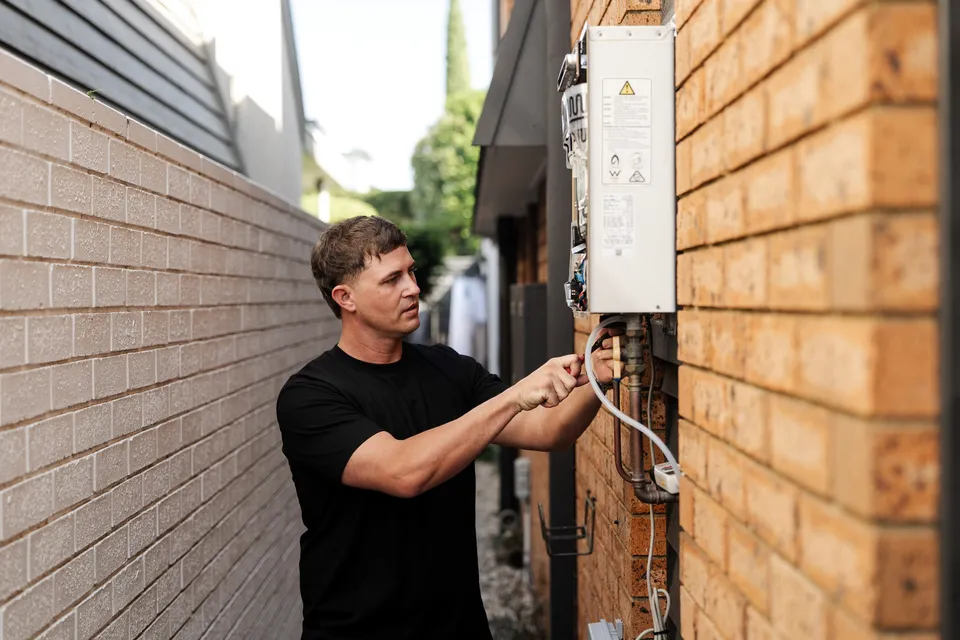
Leave the property alone for an hour or more, then look again. A changed number or a dial that has crept on means a leak, and a licensed plumber takes it from there. Unitywater runs a program that flags unusually high use and contacts customers where it can. The utility says plainly not to rely on that alone, so reading your own meter stays your job.
Plumbing job in Sandstone Point?
$0 call-out fees, available 24/7, and same-day where we can.
The Toilet Dye Test and Other Quick Checks
Work through the inside in this order: toilet cisterns first with the dye test, then taps and showers, then plumbed-in appliances, then the walls, ceilings and floors for damp, stains and a musty smell.
Toilets
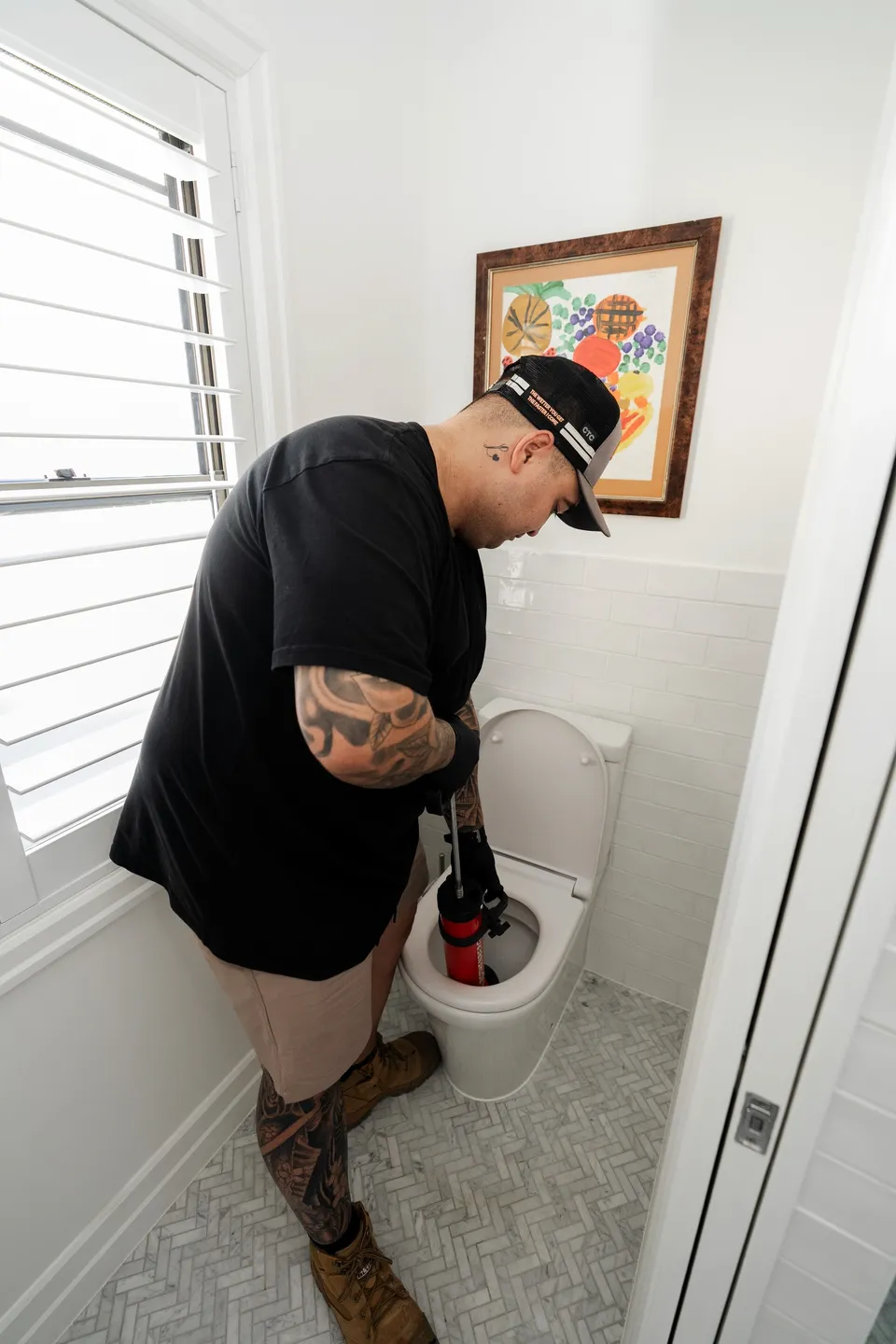
put some food colouring in the cistern and leave it, without flushing. Colour drifting into the bowl after a wait means the cistern is leaking. Flush afterwards, because the dye does not stain ceramic.
Taps and showers
confirm each one is fully off and not dripping, including the laundry and any bath outlet.
Appliances
look around the plumbed-in fridge and the hot water system for water on the floor or tracking along a wall.
Surfaces
damp or stained plaster, paint that peels or swells, a musty smell and a warm patch underfoot all point to water where it should not be.
Where Water Hides in the Yard
Check three things outside: the garden tap and its hose fitting for drips, any rainwater tank for unwanted top-ups, and the ground itself for soggy, spongy or oddly green patches.
Garden taps
a slow drip at an outdoor tap or hose fitting wastes water around the clock. Salt air near the foreshore seizes the brass, so a tap that will not close fully is common on the streets near Sandstone Point Memorial Park off Oxley Place.
Rainwater tanks
a tank linked to town water can quietly top itself up. A failed solenoid or worn internal part keeps adding mains water, and a licensed plumber checks that part.
The ground
a lawn patch greener than its neighbours, paving gone out of level or ground that stays soggy all point to a buried leak. One caution applies here: the tidal delta sand near the water holds groundwater close to the surface, so compare patches against each other rather than trusting one damp spot.
Homes with a pool get one extra check. Stand a bucket of pool water on a step so the levels match, mark both, leave the pool unused for a day, then compare. A bigger fall in the pool than the bucket suggests a leak, and an equal fall is just evaporation.
What the Search Tells You
A drip found at a tap, toilet or fitting is very likely your leak, and the meter check will confirm it by sitting still once you fix it. A meter that keeps moving with nothing found points to something concealed: a pipe hidden under the ground, a driveway or inside a wall.
Everything past the meter belongs to your property and your maintenance, so the repair is yours to arrange. Queensland classes fixing a broken pipe as minor work for a licensee, which means no permit and no Form 4, just a licensed plumber doing the job.

When to Call a Plumber
Ring a plumber once the meter check shows movement you cannot explain, or the moment you see water coming through a wall or ceiling. We trace the fault, isolate sections of pipe, pressure test and take moisture readings to pin it down, then quote the lasting repair.
For leaks that hide, our leak detection in Sandstone Point page sets out how the full investigation works and where responsibility sits. Ring (07) 3523 7172 with what your checks turned up.
Hidden Leak Questions From Sandstone Point
Call (07) 3523 7172Where is my water meter in Sandstone Point?
Every home has one, and it marks where Unitywater's supply meets your property. If you cannot find yours, the account details for your address list it, and your rates notice often shows the meter number. Photograph the numbers once you have it open, red digits included.
What if the meter moves but I find nothing?
A reading that creeps on with the house quiet points to a concealed leak, hidden under the ground, a driveway or a wall. A licensed plumber traces it from there. Our leak detection page explains how the hunt works and what the finding means for your pipes.
Can a hidden leak sit under a slab in Sandstone Point?
Yes, it can. Concealed leaks hide under the ground, a driveway or a wall, and plenty of homes here sit on sandy coastal soil that shifts with a shallow water table. A pipe under a slab or in a wall cavity can waste water day and night before anything shows.
Can I fix a hidden leak myself?
No, you cannot. Queensland plumbing law classes a broken pipe repair as minor work reserved for a licensee. Owners may only swap a tap's jumper valve or washer, cistern washers, shower heads and filter cartridges.

Call Us With What You FoundWe'll call you back.
Ring (07) 3523 7172 and tell us what's wrong. You get $0 call-out fees, a fixed quote before any work starts and same-day where we can, 7 days a week.
To claim your $0 call-out fee, call (07) 3523 7172 today.